
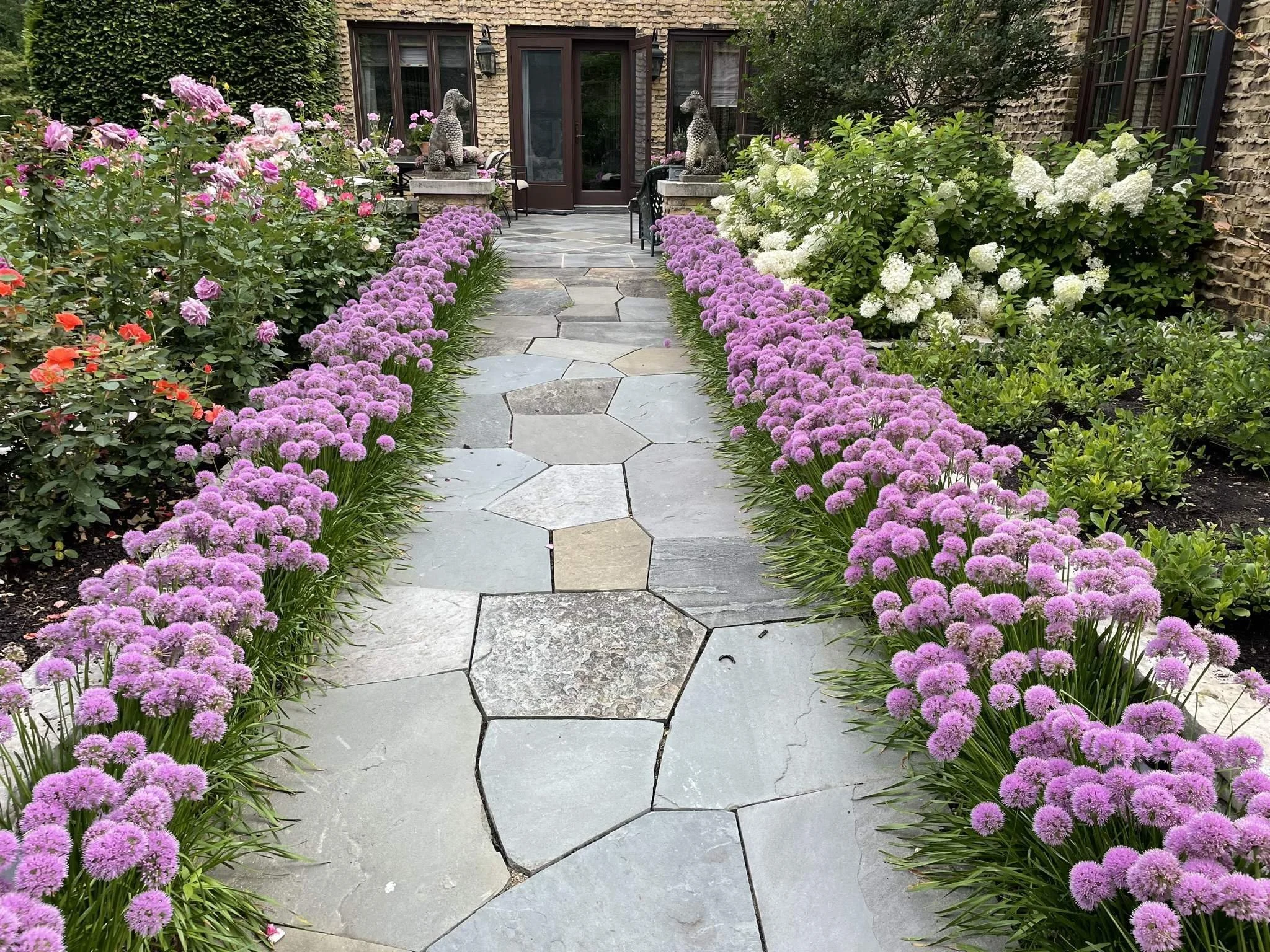
Seasonal Planting Services & Garden Bed Maintenance • Chicago’s North Shore, Chicagoland & Lake Geneva
Gardens Reward the Ones Who Show Up
A garden is a relationship, and it can tell when you have stopped calling. Beds blur, edges soften, and whatever was gorgeous in June looks tired by August. Our garden bed maintenance keeps the relationship warm: cultivated soil, crisp edges, pruning at the right week rather than the convenient one, and seasonal planting that gives the property something new to say each quarter.


Tended Like the Family Gardens We Come From
This company descends from estate gardeners, and bed care is where the inheritance shows most.
Our crews cultivate and edge on a rhythm, deadhead and divide perennials at the correct moments, prune with knowledge of each species rather than a hedge trimmer’s ambition, and rotate seasonal color the way the old estates did: tulips announcing spring, summer annuals in generous drifts, mums and kale carrying the fall, evergreens and berries holding the winter. The result is a garden that looks loved. Because it is.
GARDEN BED CARE SERVICES
What Devoted Bed Care Includes
Cultivating and edging.
Soil kept open and the line between bed and lawn kept crisp, visit after visit.
Species-correct pruning.
Timed to how each plant actually blooms, rather than to whenever the crew is on site.
Deadheading and dividing.
Spent blooms removed and crowded perennials split, so the garden keeps performing instead of coasting.
Four seasonal rotations.
A different garden four times a year, planned around your palette rather than whatever the nursery had left.
Pedestal planters and container gardens.
Terrace pots planted and swapped before they ever look tired.
Mulch and compost.
Beds fed and dressed at the correct depth, cultivated rather than piled higher every year.
Winter protection.
Burlap for the tender things, anti-desiccant on exposed evergreens, and roses put to bed properly.
Watchful eyes.
Crews who spot the scale insect, the failing drain, or the deer damage while it is all still small.
our process
From Overgrown to Tended
-
Study the Beds
What was planted, what took over, and what the design intended.
-
Restore the Rhythm
A care calendar matched to your garden’s actual botany.
-
Keep It in Season
Fresh plantings and steady hands, every visit.
TESTIMONIALS
Trusted by Clients Who Value the Details


“I wanted a landscaper for year round maintenance that I would not have to point out the things that needed to be done, but rather, could recognize them on its own.
ILT takes care of my property as if it is their own yard!"
— MARK C., HOUZZ Review

Go Ahead, Ask Us Anything
What to Know Before Choosing ILT Vignocchi
-
Through the growing season, most gardens need attention every one to two weeks: edging, cultivating, deadheading, and pulling weeds before anything sets seed. Spring and fall call for heavier resets, when beds are cut back, cultivated, and refreshed. ILT Vignocchi maintains garden beds across Chicago's North Shore and Chicagoland on a rhythm matched to what each garden contains, since a formal boxwood garden and a mixed perennial border ask for very different attention.
-
Either in late fall after the first hard frost, or in early spring before new growth emerges. Cutting in fall gives you a tidier garden through the snow months, while leaving stems and seed heads standing provides winter structure and shelter for pollinators. ILT Vignocchi decides bed by bed with the client, because the honest answer depends on whether you want a tidy garden in January or a living one.
-
Once a year for most Chicagoland beds, usually in spring, maintained at a depth of two to three inches. Anything deeper suffocates roots and invites disease, and mulch piled against trunks is one of the most common causes of long-term plant decline. ILT Vignocchi refreshes rather than simply reapplies, cultivating the existing layer first so beds do not creep higher and higher each year.
-
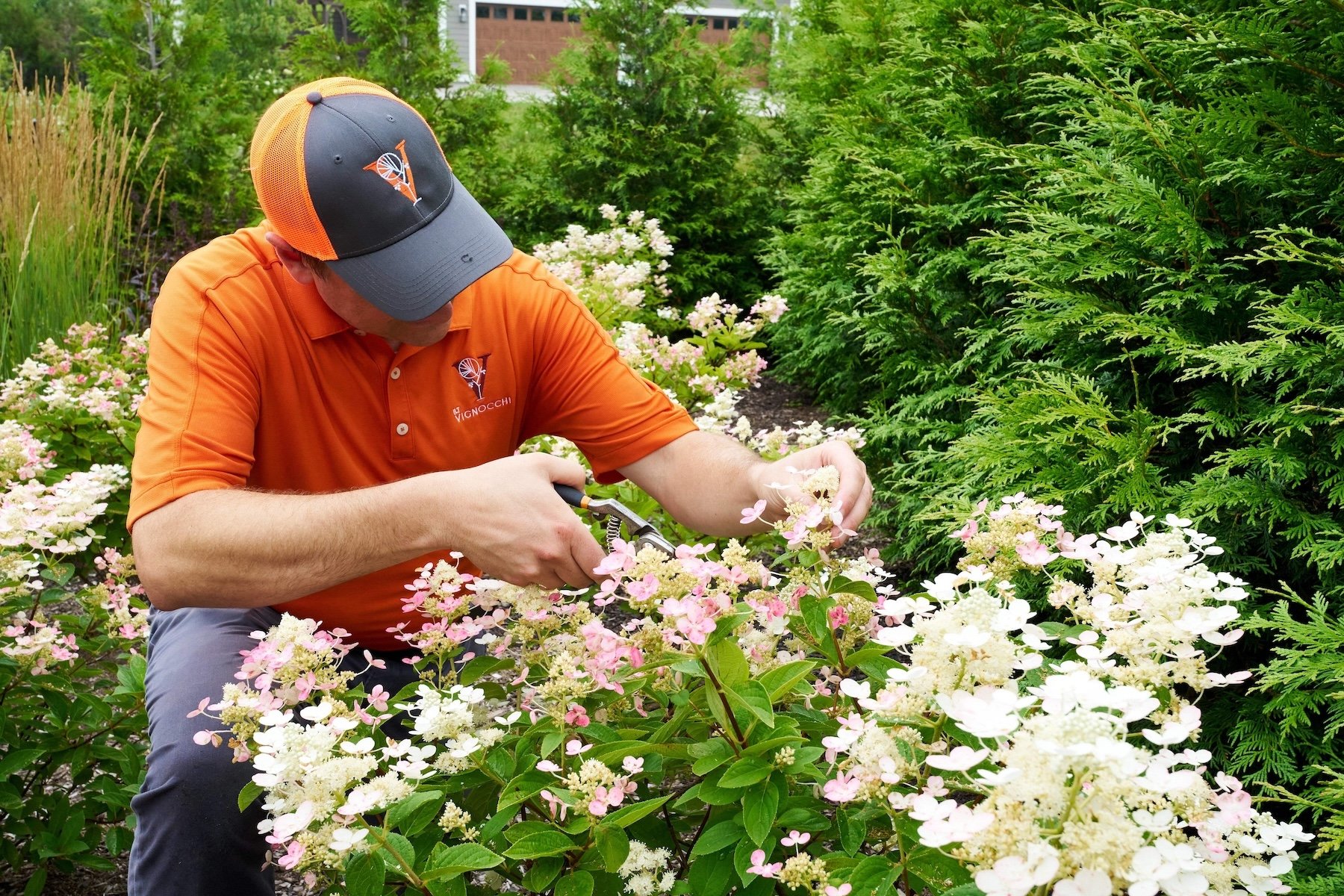
It depends entirely on when the plant sets its buds. Shrubs that bloom on old wood, including many bigleaf hydrangeas and lilacs, should be pruned right after flowering, because cutting them back in spring removes the coming season's blooms. Shrubs that bloom on new wood, such as panicle hydrangeas and spirea, are pruned in late winter or early spring. ILT Vignocchi prunes by species rather than by schedule, which is the reason our clients' shrubs actually flower.
-
Yes, and we often prefer to because an established garden usually has better bones than its owner suspects, so we study how it was meant to grow before changing anything, then edit instead of replacing. ILT Vignocchi takes over gardens from other companies and from homeowners who simply ran out of time, and the first season is mostly about restoring rhythm: correct pruning timing, cultivated soil, clean edges.
Since 1969
A Garden That Greets You by Name
The difference between landscaping and a garden is affection. Ours shows.