
Gazebo Installation Services in Island Lake, IL: Which Structure the Property Actually Needs
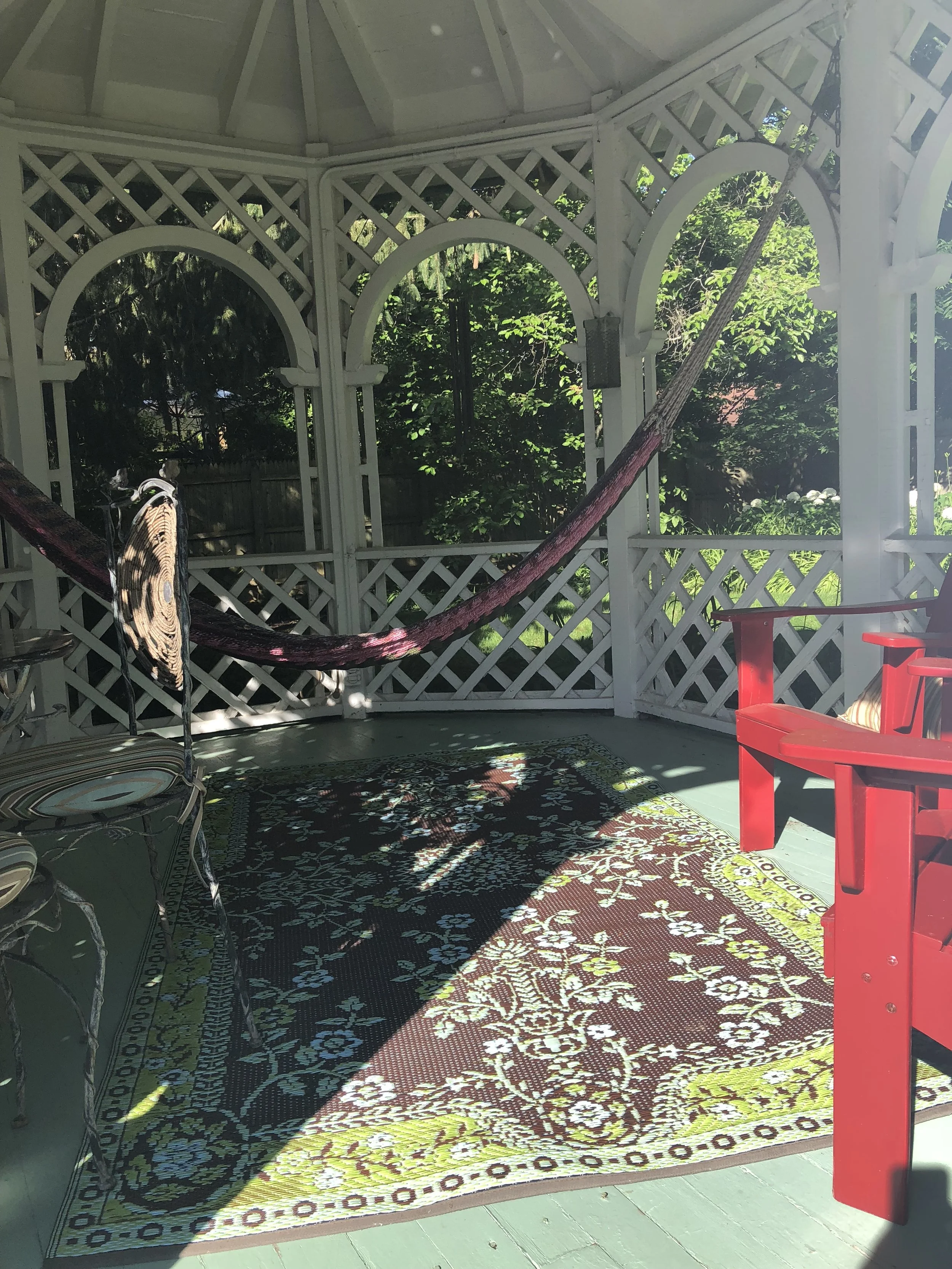
Three different buildings get asked for under the same name. Homeowners searching for gazebo installation services in Island Lake, IL picture one of three structures, and the word covers all of them loosely enough that the first design meeting starts by sorting out which one is meant. The distinction is worth drawing early, because the three sit differently on a property and suit different uses.
ILT Vignocchi has been family-owned since 1969, and our team has built outdoor structures into Chicagoland landscapes for decades.
Gazebos, pergolas, and decking all sit within our design and build work, and the choice between them resolves quickly once the practical differences are on the table.
Related: What 55 Years in Business Teaches a Landscaping Company About What Actually Lasts
What Makes a Gazebo a Gazebo?
Geometry and enclosure make a gazebo a gazebo. A gazebo is octagonal or round, carries a solid pitched roof, and has a railing or partial wall around its base in most designs. That shape makes it a destination rather than an extension of the house.
A gazebo reads as a separate place in the garden. That is why gazebos sit out in the landscape at the end of a path rather than against a terrace, and why they suit a property with room to give one its own setting, such as a lawn edge, a garden corner, or a view toward the water.
How Does a Pergola Differ From a Gazebo in Practice?
A pergola differs from a gazebo in what its roof does. A pergola carries spaced rafters rather than a solid covering, so it filters sunlight and gives no protection from rain. That openness is the point.
A pergola defines a space without closing it in, which works well directly off a house where a solid roof would darken the rooms behind it. It frames a patio, supports climbing plants, and keeps sightlines open across the yard.
A pergola also costs less than a roofed structure of similar footprint. The roof assembly is a fraction of the work, and the framing below it carries far less load.
Where Does a Pavilion Fit Between a Gazebo and a Pergola?
A pavilion fits between the two as a rectangular structure with a solid roof and open sides, which makes it the practical choice where a space has to stay usable in any weather.
Outdoor kitchens, dining areas, and anything with electronics belong under a pavilion, since equipment under an open structure takes rain.
The rectangular plan also sits more naturally alongside a terrace than an octagon does, and it covers a long table without wasted corners. On most properties, that practical fit is what settles the decision.
How Does a Gazebo or Pavilion Change the Rest of the Landscape?
A gazebo or pavilion becomes the focal point of the yard, so the planting, paths, and sightlines around it need rethinking rather than staying as they are. Every route through the garden starts to lead toward it, and every view from the house frames it.
A roofed structure also casts real shade and sheds real water, and both affect what grows nearby and where runoff lands. Beds that thrived in full sun need new plant choices, and roof drainage needs a planned path away from the footings.
Our landscape design and build work covers structures alongside patios, stonework, and planting for that reason. Dropping a structure into a finished garden seldom produces the result the drawing promised.
What Does a Northern Illinois Winter Demand of a Gazebo?
A northern Illinois winter demands footings below the frost line and a roof built for snow load. Frost reaches deep in Lake County, and a structure on shallow footings lifts and racks through its first few winters.
A solid roof collects snow, so both the framing and the posts carry a winter load that an open pergola largely avoids. Those two requirements separate a built structure from a kit, and they are the reason a permit applies to most projects.
They also explain why a structure that looked inexpensive in a catalog costs more once it is built to stand here. The added cost buys a gazebo that stays square and sound through decades of freeze and thaw.
Settle Your Gazebo Installation Plan With ILT Vignocchi
ILT Vignocchi designs and builds gazebos, pergolas, pavilions, and the landscapes around them for properties across Island Lake and the wider Chicagoland and Lake Geneva area. Our team walks each property to match the structure to how the space will be used.
Contact ILT Vignocchi to walk your property and settle which structure the space calls for.
In Summary
Which outdoor structure gives the most usable space in rain?
A pavilion gives the most usable space in rain, because its solid roof and open sides keep the area dry while staying connected to the garden. A gazebo also sheds rain, but its smaller footprint and railings limit how a group can use it.
Can a gazebo be added to an existing patio in Island Lake, IL?
A gazebo can be added to an existing patio in Island Lake, IL, though the footings require opening part of the paved surface to reach bearing soil below frost depth. Planning the structure with the patio avoids that work entirely.
Do gazebos and pavilions need a building permit in Lake County, IL?
Most roofed structures in Lake County, IL need a building permit, with size and height thresholds that vary by municipality. ILT Vignocchi confirms the local requirement for each property before the design is finalized.
Is a gazebo or a pergola better next to the house?
A pergola is the better choice next to the house because its open roof lets light reach the rooms behind it. A gazebo works best as a separate destination out in the garden.
Related: What Sets Our Outdoor Living Contractor Services in Island Lake, IL Apart From a Crew With a Truck
